Seams and repaired patches
An open seam or incompatible earlier patch can interrupt the continuous covering. Cleaning, preparation and the selected repair method depend on the actual membrane.
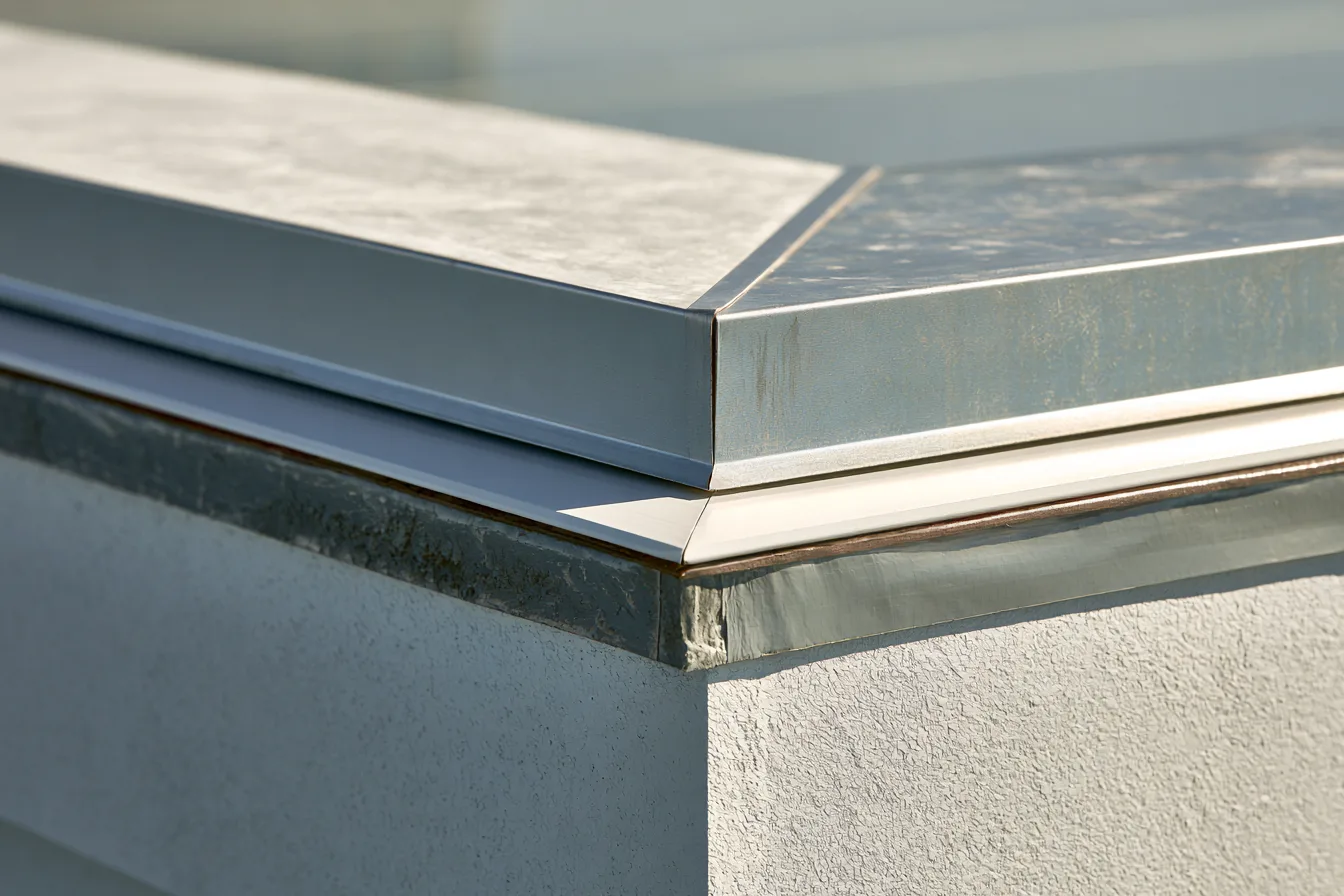
An indoor leak on a low-slope roof can point to several possible routes above it. Water may have entered at a seam or flashing, then moved along the deck or insulation before reaching the room. The visible drip gives the assessment a location to start, not a complete repair specification.
The roofer considers the field covering and the interruptions together. A membrane repair must suit the material, while a curb or edge problem needs its drainage connection restored. Those can be different jobs even when the indoor symptom looks similar.
Request a free inspection through Prosper Depot Roofing. Identify the affected room or business area and any earlier repair you already know about.
An open seam or incompatible earlier patch can interrupt the continuous covering. Cleaning, preparation and the selected repair method depend on the actual membrane.
Equipment supports and pipes need flashings that join them into the surrounding field. Movement or failed terminations can affect that connection.
The change from horizontal membrane to an edge or wall needs continuity. An opening there can admit water beyond the spot visible indoors.
Drainage affects how long water stays on the surface. The outlet, adjacent membrane and underlying roof configuration need to be considered together.
A repair relies on the roof it joins. Brittle membrane, wet insulation or damaged deck material can make the required work larger than the obvious surface defect.
Use a repair method compatible with the existing covering.
Assess the surrounding membrane and any concern in concealed layers.
Join the repaired field or flashing into the roof’s drainage route.
The purpose is to restore a functioning portion of the system. Where the receiving layers are unsuitable, opening and renewing them can be necessary before a patch can do its job.
Option 1
A defined defect within serviceable roofing can justify local work, including any affected layers immediately below it.
Option 2
Repeated failures across separate areas or unsuitable underlying material can call for a larger project.
The commercial roofing hub explains repair, restoration and replacement choices.
Describe where water appears and which operating area is affected. Keep people clear of wet electrical or unstable ceiling areas.
Identify the likely entry detail and what the surrounding system can receive. Note any need for further investigation.
Connect the repair method to the roof material and arrange access around the building’s use. Coordinate any temporary protection with the permanent work.
No. Water can travel along building and roof layers. The stain’s location helps the investigation without proving the entry point.
No. A repair product has to be compatible with the covering and detail. Thermoplastic seams, adhered patches and built-up roofing can require different methods.
Not by itself. The drainage condition, duration, underlying assembly and system requirements need assessment. A coating or patch doesn’t automatically correct roof geometry.

Start with the leak and the system around it. Request a free inspection for your Prosper flat roof repair.
Call (469) 473-3088