Shingles changed by wind
Lifted, torn or creased shingles can leave the covering less able to shed water. The surrounding material determines whether the damaged area can receive a focused repair.
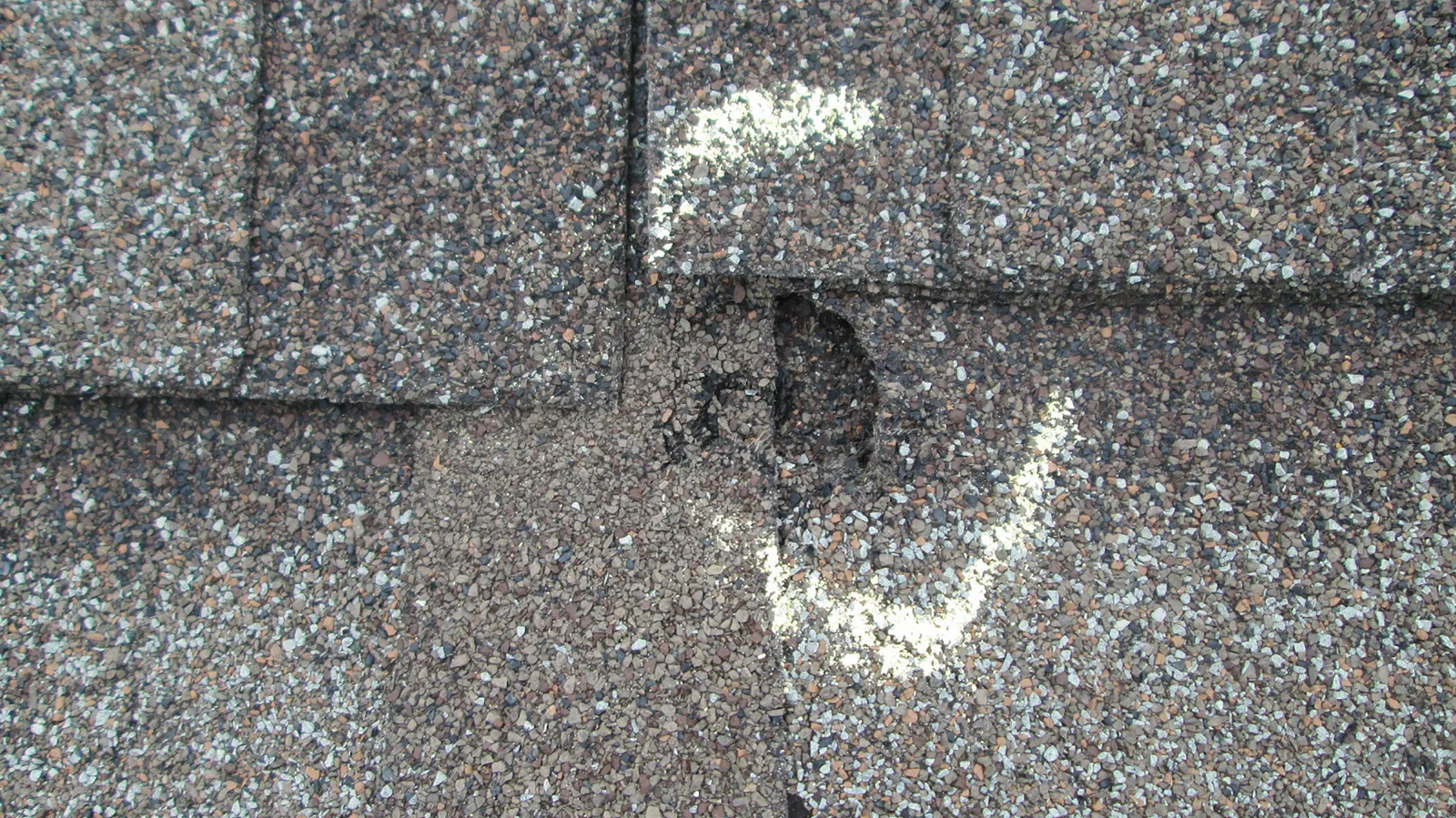
After a storm, the roof can raise questions before it produces a leak. Shingles may have lifted or creased, an impact may have damaged the covering, or a flashing connection may have moved. The useful next step is to look at the affected roof.
Damage doesn’t have to cover every slope in the same way. Roof shape, direction and the material’s prior condition influence what the inspection finds. A nearby report gives weather context, while the roof assessment establishes the work at the property.
Prosper Depot Roofing helps you begin with a free inspection. Explain any active water entry and keep clear of damaged or unstable areas while the next step is arranged.
Lifted, torn or creased shingles can leave the covering less able to shed water. The surrounding material determines whether the damaged area can receive a focused repair.
Hail or falling debris can affect the surface and underlying layers. The inspection considers the actual damage instead of treating every mark as the same condition.
Caps, edges and connections around walls or penetrations need examination along with the field shingles. The most obvious missing piece may not be the only affected detail.
A new stain or drip can help locate the affected part of the property. Water may have traveled before appearing there, so the roof opening still needs to be established.
The Prosper archive keeps dated NOAA hail and thunderstorm-wind records available by year. It covers one 15-mile collection around the town center, with Collin and Denton county records.
Use the reports to understand the recorded event and timing. They don’t outline every affected property or establish damage to the roof at your address.
Open Prosper hail and wind reportsReport active water entry and any hazards. Access and weather affect what can be arranged immediately; keep people clear of unsafe ceiling and electrical areas.
The inspection considers which roof areas and details are damaged, what remains suitable and whether lower layers need attention.
The proposal, required approvals and your decision need to come together before the permanent repair. If insurance may apply, keep the carrier informed about the loss and any temporary measures.
Tell the carrier about the event and damage when insurance may be involved. Ask what records and claim steps it requires.
The physical roof assessment and the policy decision answer different questions. A repair recommendation doesn’t establish a covered loss.
Deductibles, depreciation and any limits affect the claim. Discuss differences between the proposed work and the carrier’s estimate before approving the project.
No. The report describes an observation at its recorded location. The extent of damage and the roof’s condition determine the work at your property.
Yes. Exposure and roof geometry can affect how damage is distributed. The inspection needs to consider all relevant slopes and details.
That depends on the cause, policy and claim decision. The inspection supplies physical information; the carrier applies the coverage terms.
The roof insurance guide explains the separate roles of depreciation and the deductible.
Have the roof checked after the weather. Request a free inspection through Prosper Depot Roofing and discuss the condition at your property.
Call (469) 473-3088