Architectural shingles
$5–$8 per roof sq. ft.
For an illustrative 2,000-square-foot roof, that is $10,000–$16,000 before project-specific differences.
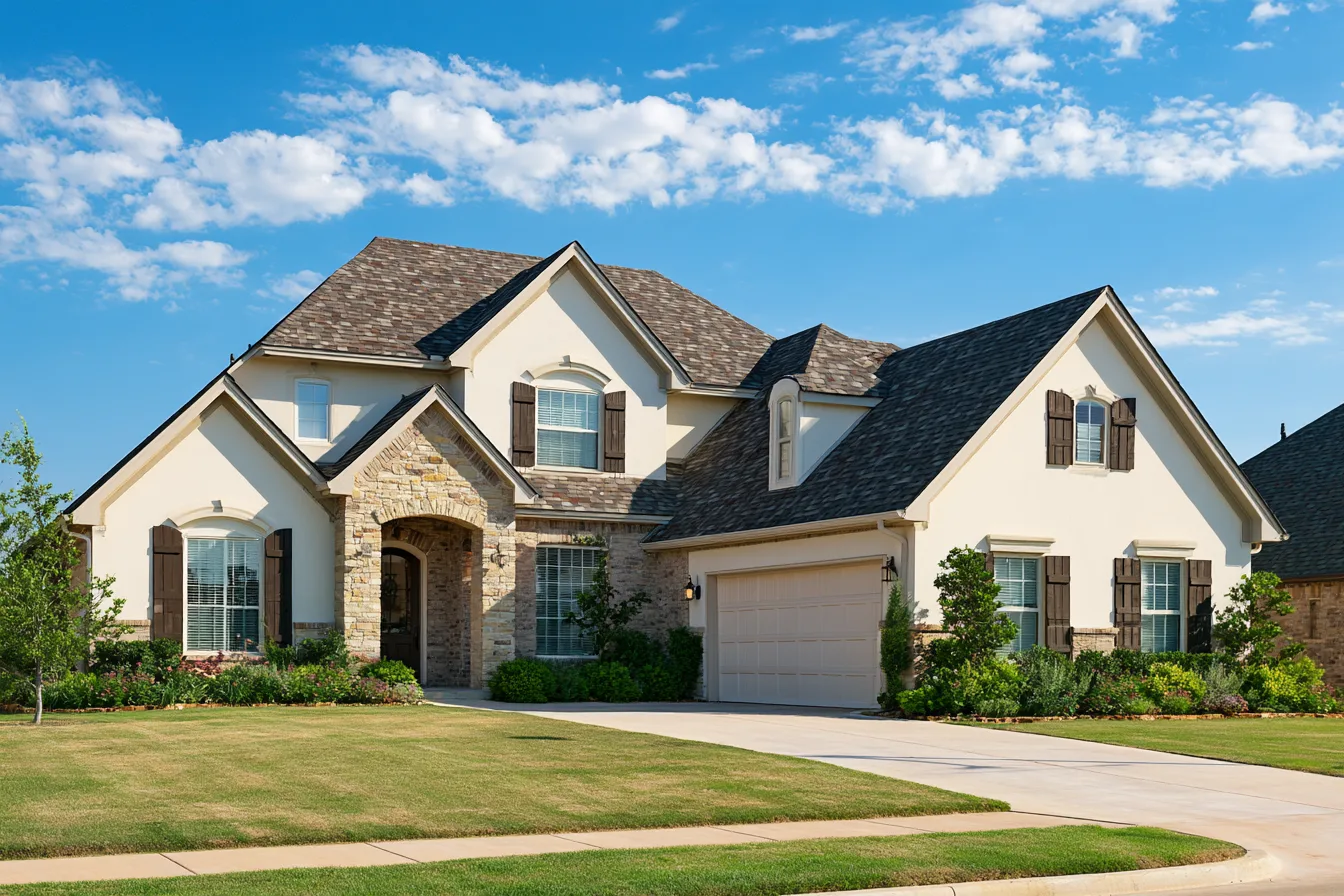
Choose whether you have the roof’s surface area or an approximate footprint. The calculator handles the slope conversion when needed. The result is a planning range, not a quote for the property.
Use an approximate ground-floor size including the attached garage. An exact measurement can wait for the roofer.
Your planning range
The calculator adjusts for slope. It is a regional budgeting example, not a measured roof or a quote.
Removal, damaged decking, unusual access and detailed roof shapes can change the project price. No automatic extra tear-off charge is added here.
Get help planning your roofThese 2026 Dallas–Fort Worth published contractor ranges use actual roof surface area. They are regional planning references, not Prosper Depot Roofing prices or a market average.
$5–$8 per roof sq. ft.
For an illustrative 2,000-square-foot roof, that is $10,000–$16,000 before project-specific differences.
$12–$18+ per roof sq. ft.
For the same roof area, the reference is $24,000–$36,000 or more. The upper figure is not a price cap.
The source’s installed replacement scope includes ordinary removal. Do not add a second generic tear-off charge to these ranges. Actual condition and specifications can move the price outside them.
A two-story home can have much more living area than the area under its roof. A real-estate listing also handles garages and covered outdoor space differently from a roof estimate.
The footprint is an approximate horizontal starting area. It does not include the extra surface created by roof slope, and the chosen footprint needs to include the roof areas being estimated.
Measured roof area includes the sloped planes. That is the basis used by the published per-square-foot roofing ranges. The calculator distinguishes the two inputs so slope is not counted twice.
Material, underlayment, flashings, ventilation and related edge work affect the estimate. A product name alone doesn’t describe what will be installed.
Valleys, steep or elevated planes and handling space change the work involved. Similar roof areas can have different installation demands.
Removal can reveal decking or other conditions that need repair. The proposal needs to explain how additional work is identified and approved.
Porches, detached structures and gutter work need to be identified. An estimate can look different because it includes different roof areas or related repairs.
An initial range helps you decide when to explore replacement and which material you want to discuss. It doesn’t establish the final price or condition.
A free inspection brings the visible roof into the discussion. Measurements and the proposed assembly then turn the budget question into a defined project.
If removal reveals additional damage, the explanation needs to connect the changed price to the extra work. The approach belongs in the project discussion before the roof is opened.
It may be a poor match for the roof. Multiple floors, garages, overhangs and covered porches can make the measurement different. Use the appropriate calculator input or begin with an inspection if the area is unknown.
No. This tool estimates a regional roofing range. Coverage, deductibles and settlement are separate policy matters.
No. Complex conditions and specifications can exceed the displayed range. Standing seam’s published upper figure is explicitly open-ended.
Yes, when the roof can receive a useful focused repair. The comparison depends on condition and scope rather than a fixed roof-age cutoff.
See Prosper roof repair for the conditions that guide that decision.
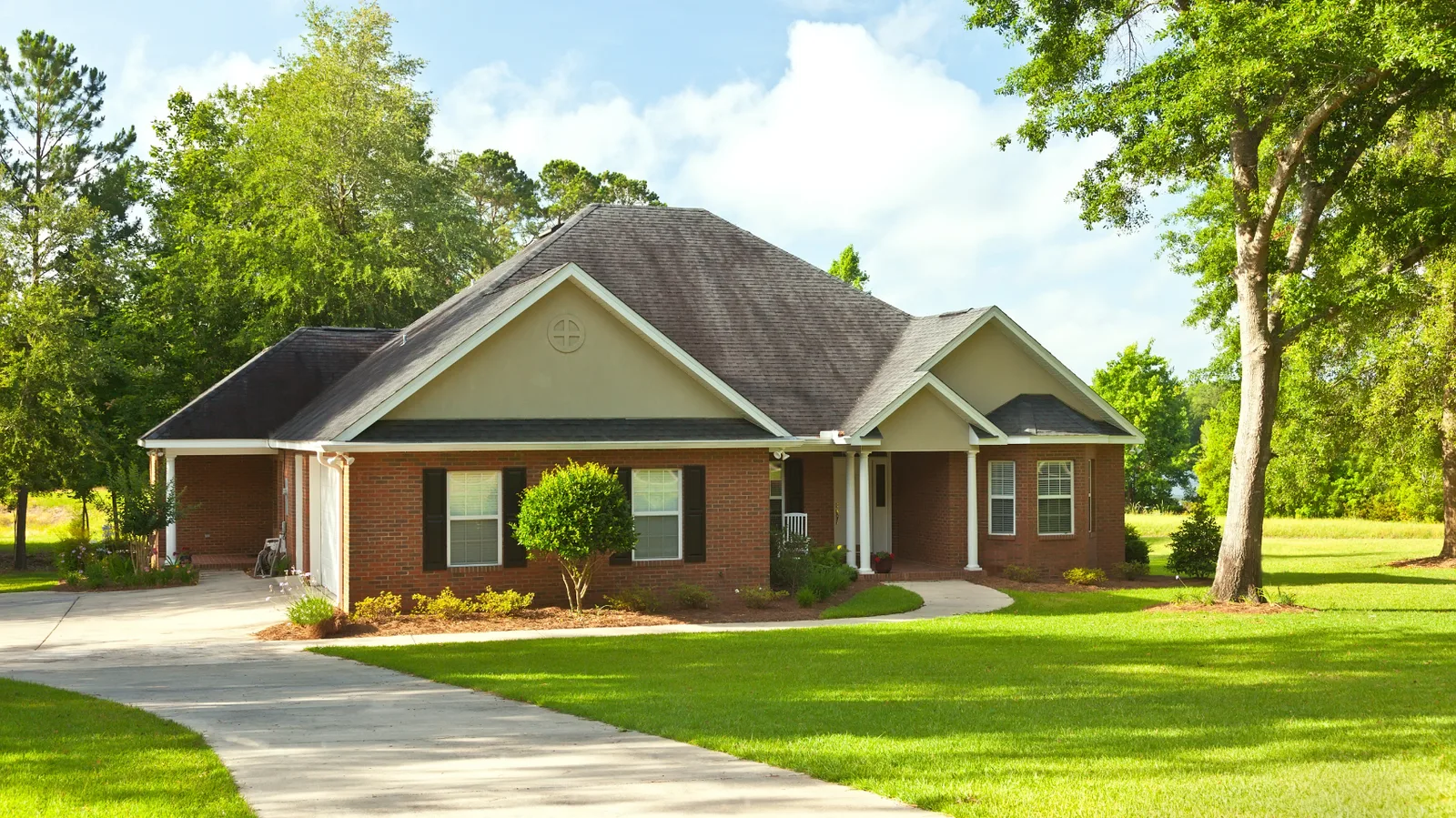
Move from a planning range to the roof in front of you. Request a free inspection to discuss replacement scope and material choices.
Call (469) 473-3088