The covering across the roof
Shingles, panels or membrane are assessed for visible damage and deterioration. The spread of the condition helps establish whether the concern is local or broader.
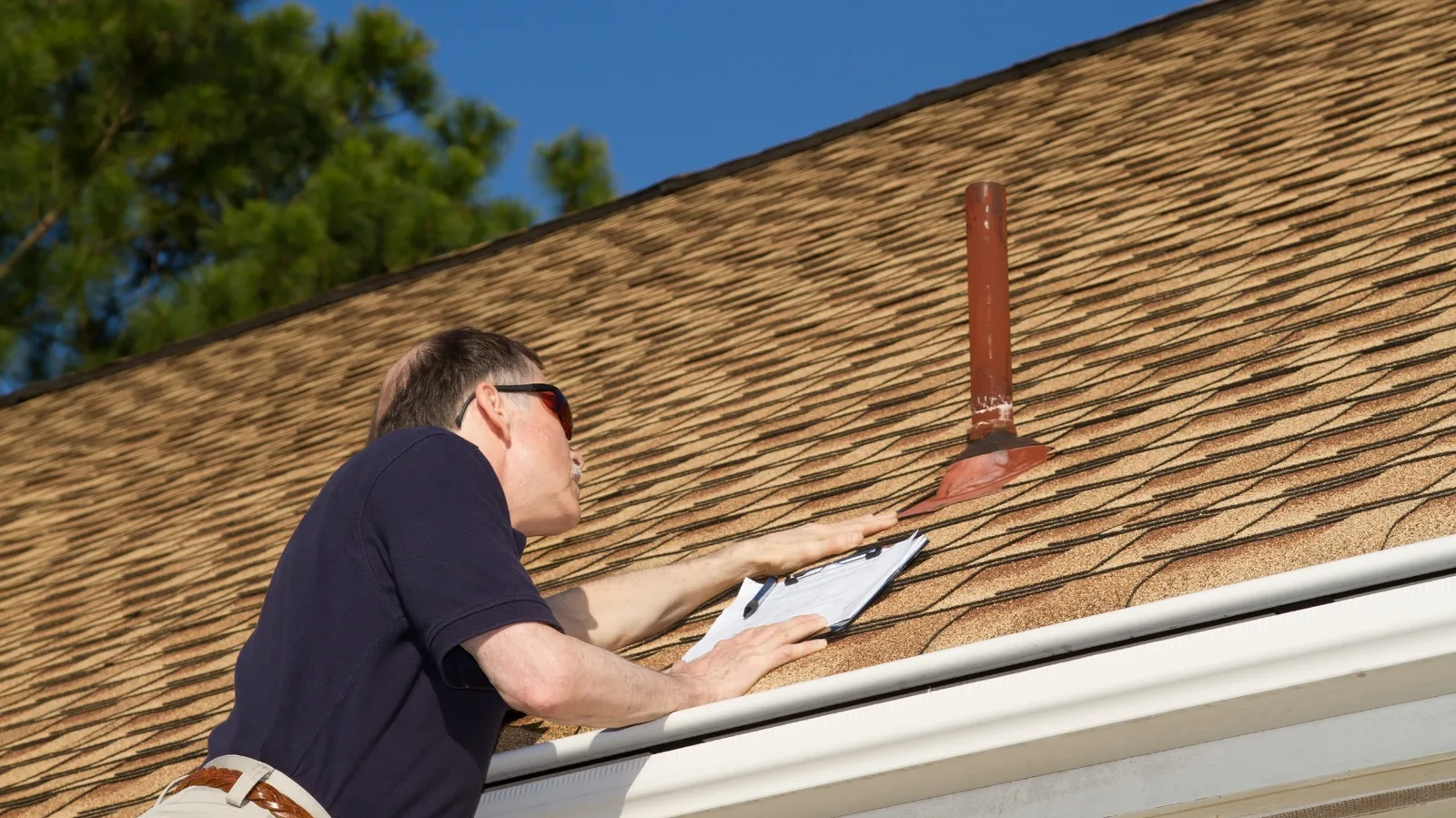
You may be deciding whether a problem needs work at all. A visible change, a leak indoors or a covering you want to replace each gives an inspection a purpose. The visit brings the roof closer than a view from the yard can.
The roofer looks at accessible surfaces and connections, walking the roof where access and conditions permit. What you’ve noticed inside, along with known repair history, helps connect the visible roof to the concern.
Prosper Depot’s inspection offer is free. You can use the findings to discuss a repair, a replacement plan or any question that needs further investigation before a scope is settled.
Shingles, panels or membrane are assessed for visible damage and deterioration. The spread of the condition helps establish whether the concern is local or broader.
Walls, pipes, vents and roof intersections need transitions that shed water. Their connections are considered alongside the open covering.
Eaves, gutters and outlets help explain where water leaves the roof. Their condition can matter even when the concern first appears elsewhere.
Sagging, moisture or movement can raise questions about supporting layers. Concealed material and inaccessible areas may need another form of investigation.
The concern inside gives the roof inspection a starting point.
Visible damage is worth assessing at the property.
Understand the existing roof before choosing the scope.
Tell us about a new stain, a shingle that has come loose or visible damage after a storm. Observations you already have are enough; you don’t need to climb the roof to collect more.
An inspection establishes the existing covering, details and visible condition before the material and replacement scope are finalized. You can bring appearance and budget questions to that discussion.
If there has been a repair and the concern remains, include what you know about the earlier work. That history helps connect the next assessment to the same roof.
Option 1
Accessible roof surfaces, visible damage and exposed connections can provide useful findings. The explanation needs to distinguish those observations from assumptions.
Option 2
Hidden deck or insulation layers, unsafe access and conditions that don’t reveal the leak path can limit the initial answer. Those limits belong alongside the findings.
Start with your property location and the roofing question. Tell us which building or room is affected.
Discuss the covering and connections, including any limits on access or concealed conditions. The useful explanation links the observation to the roof’s function.
The condition may support repair, replacement or further investigation. The inspection request itself doesn’t authorize construction.
No. A roofer’s condition assessment and the municipal inspection process serve different purposes.
The Prosper roofing permit guide explains the town’s separate approval steps.
No. Tell us the location and the concern. Measurements become part of developing the roofing estimate.
No. It helps establish physical condition and possible work. Coverage and settlement depend on the policy and the insurer’s claim decision.
Yes. A damaged covering can expose lower layers before water appears inside. The absence of a drip doesn’t settle the roof’s condition.
Bring the question to the roof itself. Call Prosper Depot Roofing or request your free inspection.
Call (469) 473-3088