Insulation and moisture condition
Insulation affects the assembly beneath the sheet. Wet or deteriorated material needs an appropriate scope; concealing it under a new membrane doesn’t make it suitable.
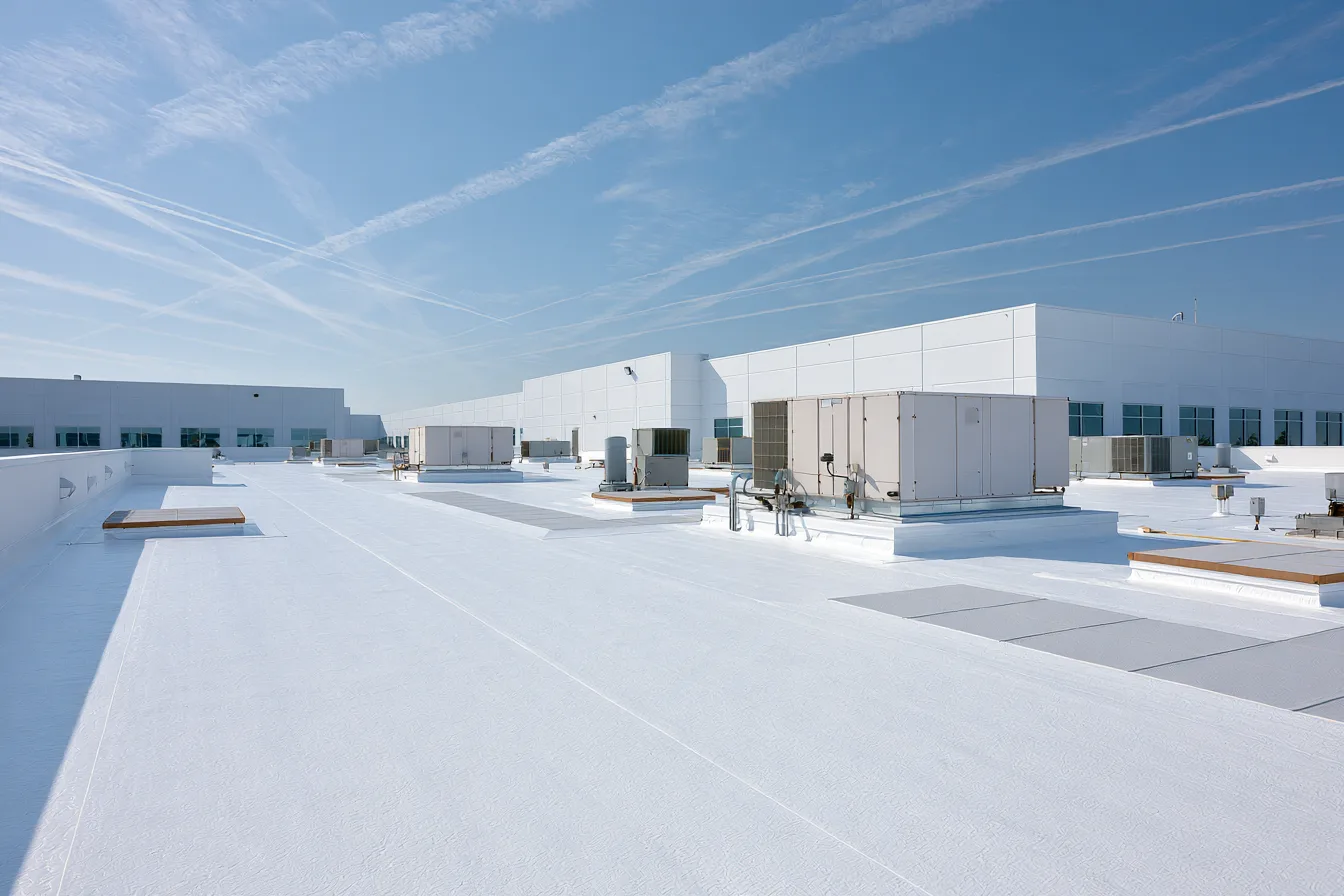
TPO creates a broad thermoplastic covering with heat-welded seams, but the finished white surface is only one part of the roof. The base below it and the details at curbs, drains and edges determine how the assembly works on the building.
A replacement or recover proposal needs to identify the selected membrane and attachment as well as insulation, cover board where specified and the condition of any layers kept in place. Those choices have to suit the actual structure and roof configuration.
Prosper Depot Roofing helps you begin with a free inspection. Bring the existing roof concern and the building’s practical needs into the system discussion before the specification is settled.
Insulation affects the assembly beneath the sheet. Wet or deteriorated material needs an appropriate scope; concealing it under a new membrane doesn’t make it suitable.
Adhered, mechanically attached and other specified arrangements have different requirements. The roof structure, system design and applicable conditions establish the selection.
Field seams are heat welded, with quality checks appropriate to the system. Curbs, penetrations and perimeter details require their own compatible treatment.
Outlets and slope affect the water route. Access paths around regularly serviced equipment can need protection appropriate to the membrane.
The selected system connects each of these parts. This illustration explains their roles; the actual roof specification establishes products, thicknesses and details.
The deck supports the assembly and must be suitable for the selected attachment.
The insulation and any specified cover board provide the required base for the membrane.
TPO sheets join through heat-welded seams to form the field covering.
Compatible details join the field to roof edges, walls, curbs and other interruptions.
Outlets remain integrated with the membrane, with appropriate protection along planned service routes.
Option 1
A recover depends on moisture, attachment, loading, existing layers and applicable requirements. It needs a specific basis in the actual assembly.
Option 2
Wet or damaged layers and conditions that can’t support the new system can require tear-off. The new roof needs a suitable base before it is closed.
Identify the covering, accessible layers and any need for moisture investigation or opening-up.
Resolve membrane, supporting layers, attachment and flashing details with the required approvals.
Plan roof loading, material handling and the sequence around operating equipment. Complete system checks before the project is closed.
Only when the existing assembly and applicable requirements support a recover. Moisture, layer condition and attachment all affect that decision.
No. Color doesn’t identify the chemistry of a membrane or coating. The actual material needs to be established before a repair or recover is designed.
Terms depend on the selected product, assembly and any installation coverage included in the project. The proposal should identify the applicable terms and conditions; a TPO label alone doesn’t establish them.
Plan the TPO assembly for the building it will cover. Request a free inspection through Prosper Depot Roofing.
Call (469) 473-3088